
Marrakech

People see one hundred kilometres and think it is one hour. In the mountains, kilometres don't mean the same thing.
3–5 days From €390 per person
Over the Tichka pass, a night in the Dadès, and Merzouga by 4×4.
First trips to Morocco, couples, and anyone whose trip is really about the desert.
Message us about this routeRoadbook
People see one hundred kilometres and think it is one hour. In the mountains, kilometres don't mean the same thing.

Everybody waits for the sign at the top. Sometimes the best view is not at the top.

When people see it from the car they say twenty minutes is enough. Then they cross the river and disappear for one hour.

This is where Morocco starts looking bigger. The road gets straighter and people finally understand how much empty space there is.

Don't watch the sunset time on your phone inside the canyon. The mountain makes its own sunset.
Inside the gorge your sunset can be one or two hours before the sunset on your phone. In winter the light leaves some walls from mid-afternoon.
Everybody talks about Todra, but sometimes the view before Todra is what they remember.

This is the part clients underestimate. Nothing is wrong with the road. It is just long.
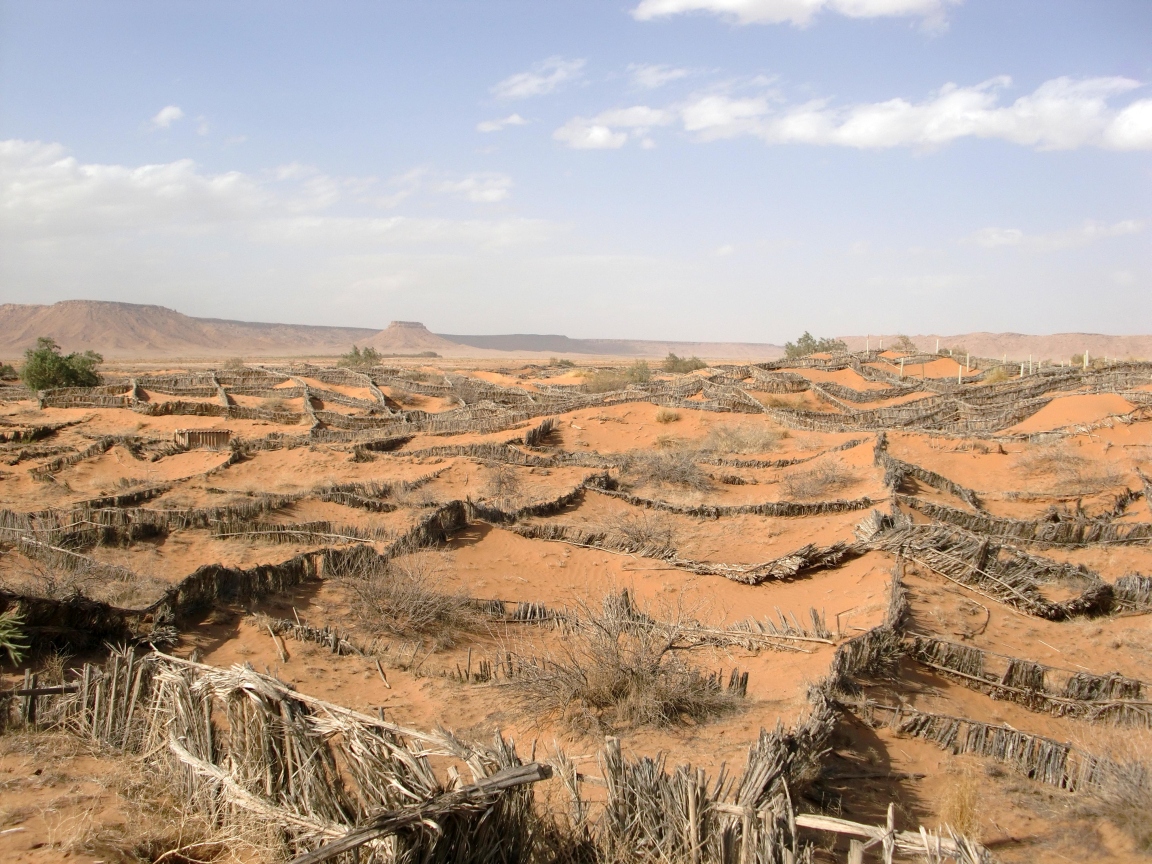
When we stop in Erfoud I tell everybody: if you forgot something, remember it now.

The first dune is not important. Give me twenty minutes and then you understand why we drove all this way.
We aim to reach the roadhead 60–90 minutes before sunset. In winter that means Merzouga by 16:00–16:30; in summer 17:00–17:30 is fine.
Merzouga to Marrakech in one day is not a little transfer. It is a driving day. If we leave Merzouga at 07:00, arriving in Marrakech between 18:00 and 19:00 is a reasonable expectation. Never book an international flight from Marrakech the same evening.
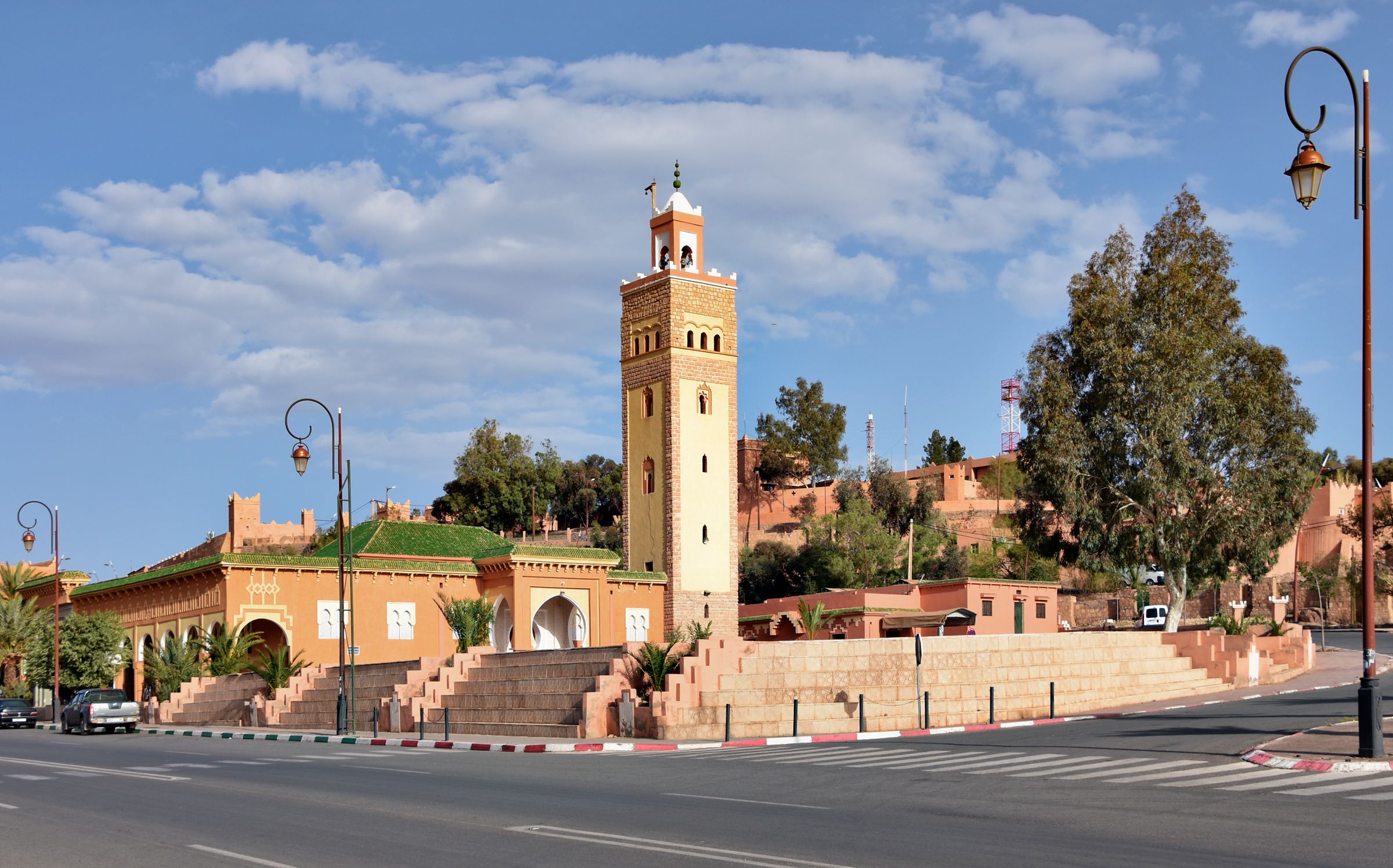
If you have the time, we would rather split this over two days with a night in Agdz or Ouarzazate. Ask us.
What is covered
People
Driver
14 years driving this route
My job is not only to get you to Merzouga. My job is to make sure you still enjoy the road before you get there.
FAQ
Marrakech to Merzouga is 617 km on the outbound route we use, via the Tizi n'Tichka pass, Ouarzazate, Boumalne Dadès and Tinghir. The way back is a different 555 km road via Rissani, Alnif, Nkob and Agdz — about 1,172 km round trip. It is a long way, which is why we do not do it in one day.
You can, and we'd rather you didn't. A two-day version means the 617 km outbound run on day one, a night at the camp, and the 555 km return to Marrakech the next day. You see the dunes and very little else. Three days is our minimum recommendation, and four is where the trip stops feeling rushed.
It tops out at about 2,205 metres — the old roadside sign says 2,260 and people still photograph it. On a map 100 kilometres looks like an hour. In the mountains it is bends, villages, trucks, road works and people stopping suddenly for the view. Allow two and a quarter to two and three quarter hours from Marrakech.
March to May and September to November are the best balance of warm days and manageable nights. Summer is genuinely hot — daytime temperatures in the Merzouga area regularly pass 40°C, and we will tell you honestly if we think your dates are a mistake. Winter days are pleasant and the desert nights are cold; the camps have heavy blankets.
Cold enough that you'll want a jacket, even in spring. Desert temperatures drop sharply after sunset. Bring layers.
We aim to hand you over to the desert camp 60 to 90 minutes before sunset, more if the camp is deep in the dunes. In winter that means reaching Merzouga around 16:00–16:30. In summer, 17:00–17:30 is comfortable. Nobody enjoys a sunset while the driver is saying quick, quick, quick.
Yes. These are main national roads, driven by our own drivers. The Tichka pass is the one to respect: heavy snow, ice or a landslide can close it temporarily, and there is no small road alongside it — the alternative is a very large detour. If conditions are bad we check before leaving Marrakech, and sometimes the right decision is to wait or change the itinerary.
Yes. It's your car and your driver. Tell him where you want to stop.
Better than most people expect. Most of the main route has coverage. You will lose it in mountain valleys, parts of the Tichka road, deeper sections of the Dadès and Todra gorges, in open country between towns, and once you move toward the more remote camps. One Moroccan network sometimes works where another does not. Download what you need before the desert.
For two or three travellers, a 4×4 or a comfortable sedan depending on the route. For four to six, a larger 4×4 or a minibus. All air-conditioned. Tell us how many you are and we'll tell you what we're sending.
Not for the paved route. Marrakech, the Tichka, Aït Ben Haddou, Ouarzazate, Dadès, Tinghir, Erfoud and Merzouga town are all fine in a good car or minivan. The 4×4 matters for the last stretch into the desert camps, the piste and the dunes. We do not take a normal vehicle into sand to prove a point — that is how you spend your afternoon digging.
07:00, or 06:45 if everyone is ready. Not to wake you early for no reason — Marrakech gets slower later, and leaving before the traffic makes the whole day easier. Leave at 09:00 and you arrive in the Dadès tired, sometimes in the dark.
Erfoud. There are options closer to Merzouga now, but we would not have you depending on one machine in a small desert town. When we stop in Erfoud we tell everyone: cash, water, pharmacy, anything you forgot — do it now.
Start
Send the route name on WhatsApp and we will reply with the roadbook questions we need to price it properly.